Other

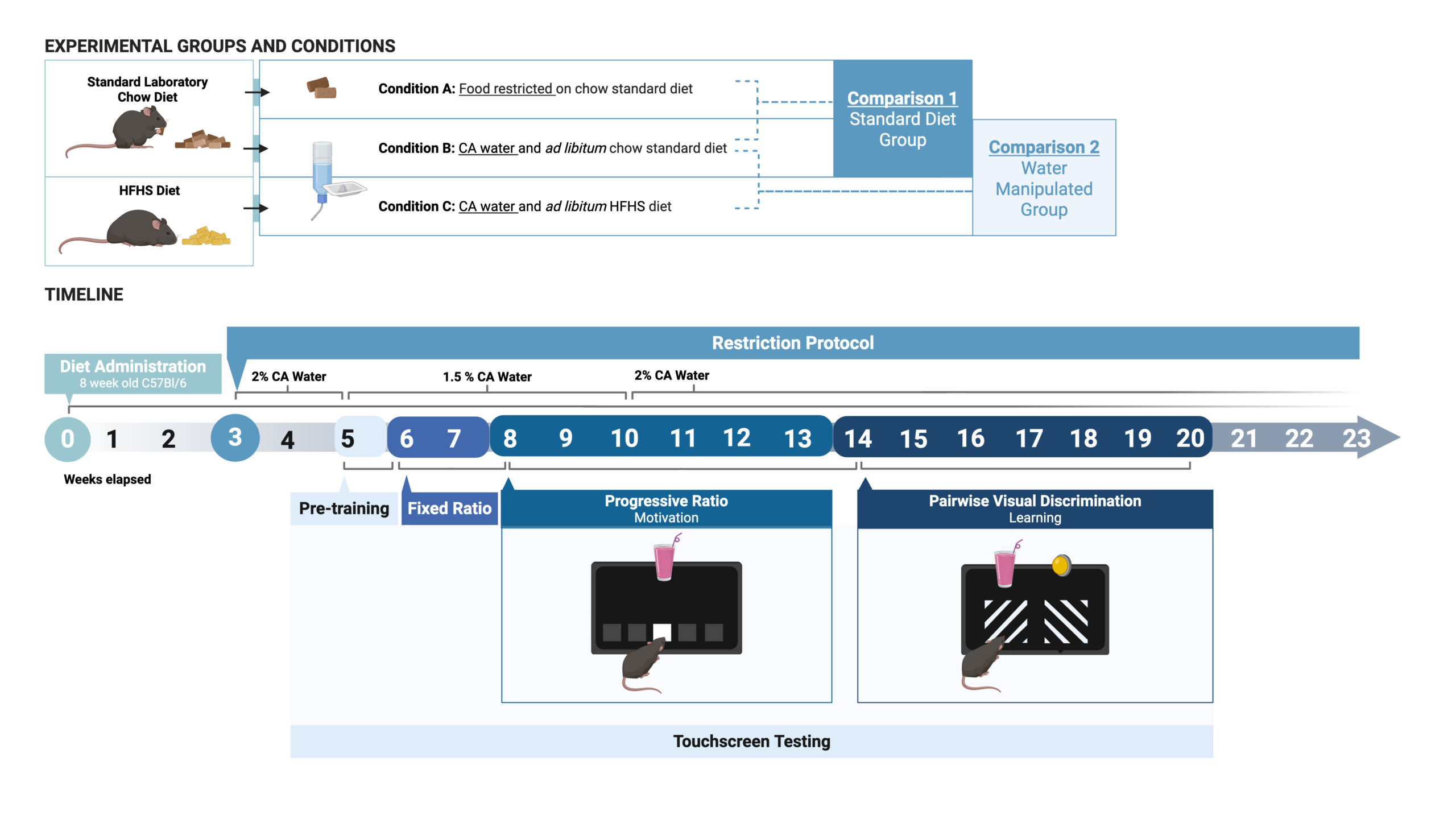
Abstract: Rodent behavioral testing paradigms in touchscreen operant chambers have successfully provided insight into the neural mechanisms underlying various cognitive domains in healthy and disease models. Touchscreen testing has previously required food restriction to sufficiently motivate rodents to complete behavioral tests, limiting the use of interventions,...
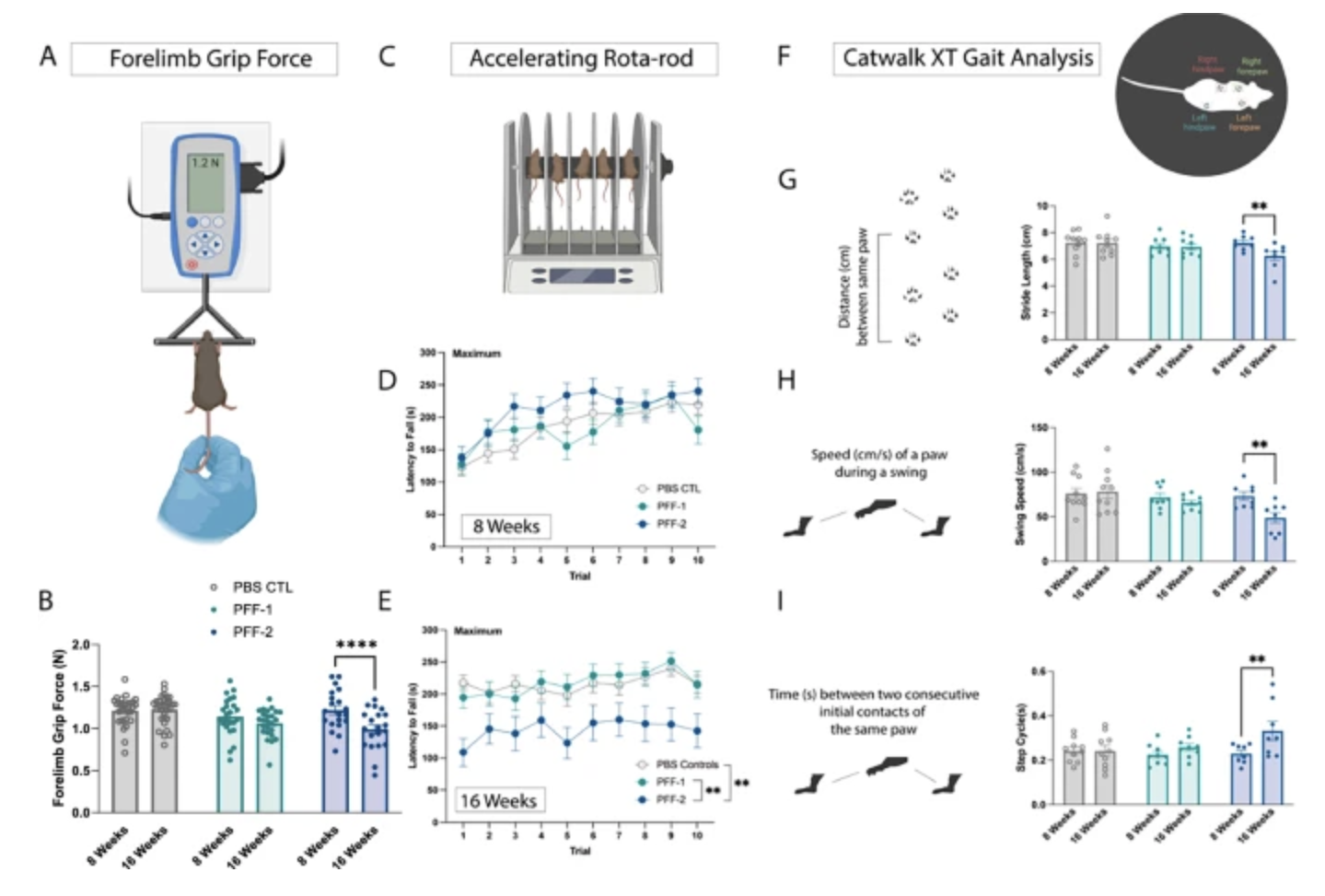
Translating findings from preclinical assessments of cognitive function relevant to synucleinopathies into successful clinical trials poses significant challenges. In this study, we examined the effectiveness of human-relevant touchscreen cognitive assessments in detecting the impact of α-synuclein pathology in a mouse model of synucleinopathy on the...

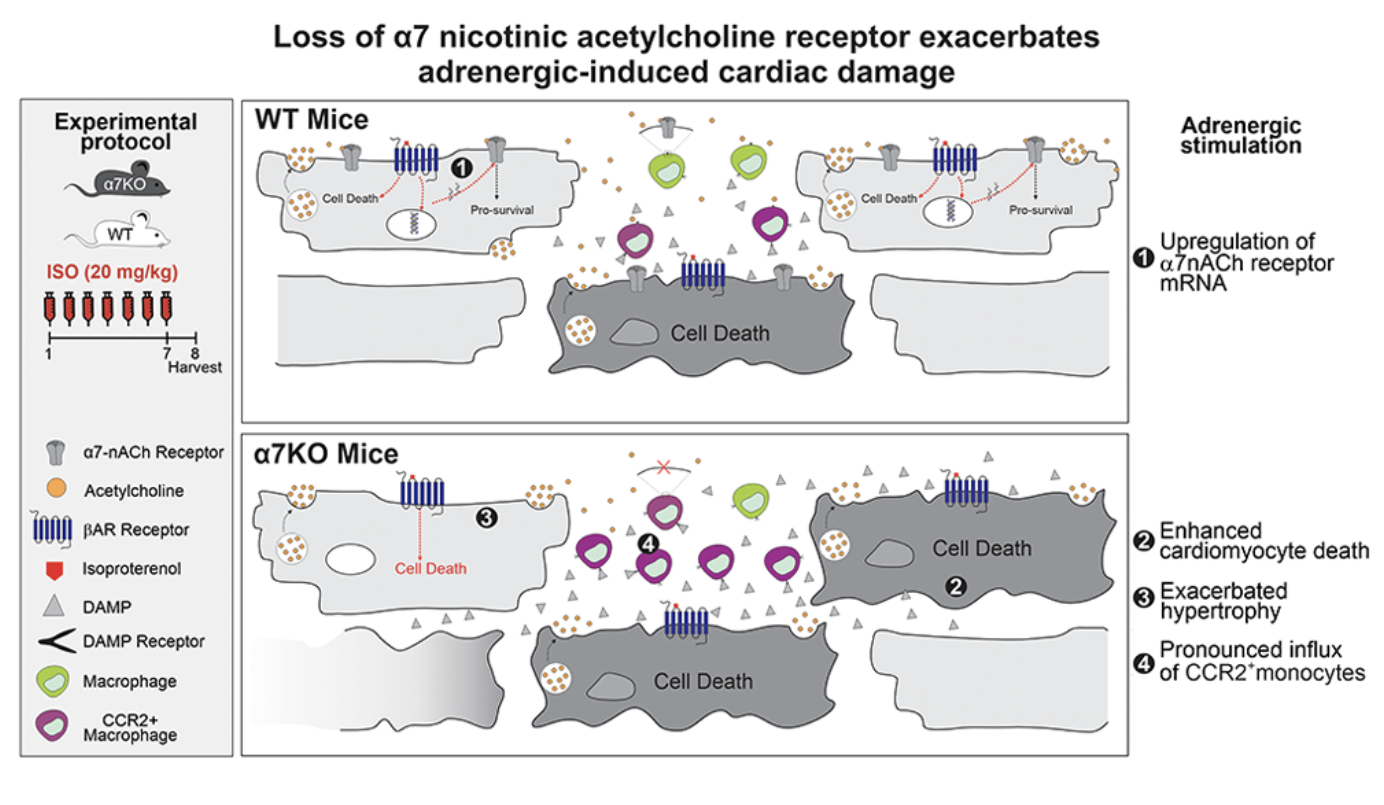
Previous studies have implicated the α7 nicotinic acetylcholine receptor (α7nAChR) in cardioprotection via its anti-inflammatory effects, yet the underlying mechanisms remain poorly understood. Here, we investigated the impact of α7nAChR deficiency on cardiac injury induced by a 7-day isoproterenol (ISO) treatment in littermate wild-type (WT)...

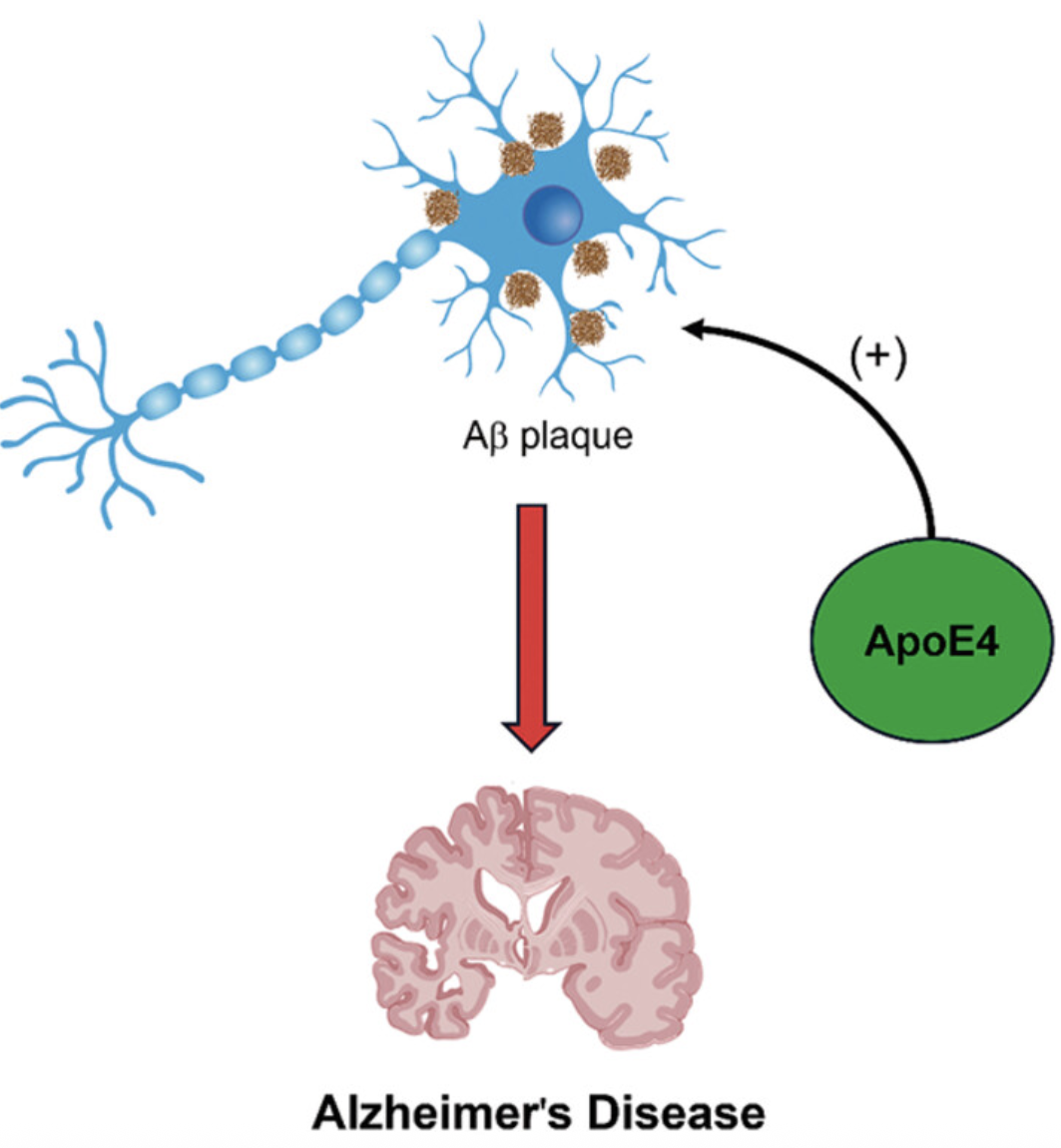
Background Alzheimer's disease (AD) is the leading cause of dementia. AD disproportionately affects APOE4 carriers, who experience accelerated amyloid β (Aβ) accumulation, including cerebral amyloid angiopathy (CAA). While monoclonal antibodies (mAbs) like lecanemab reduce amyloid plaques, their use is complicated by amyloid‐related imaging abnormalities (ARIA‐likely related...

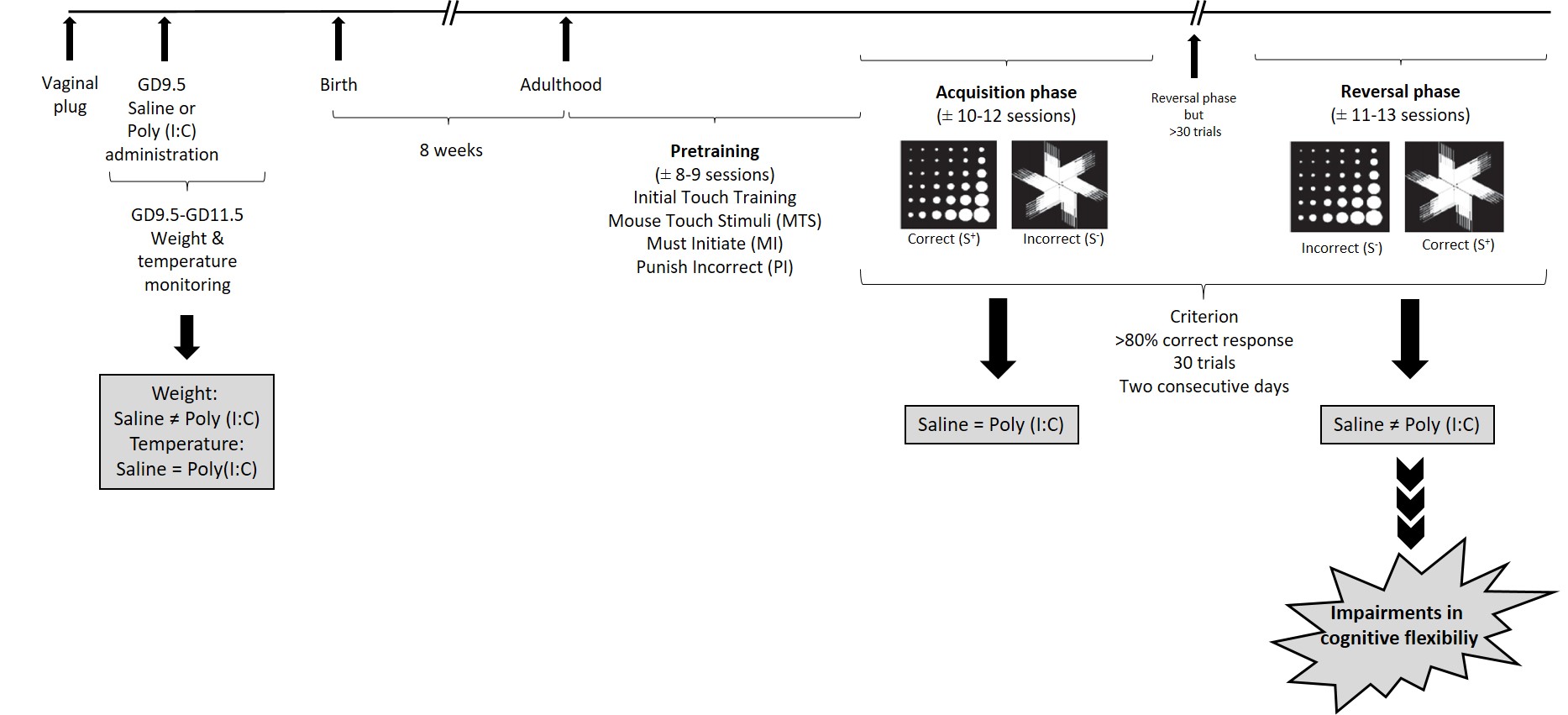
Abstract Maternal immune activation (MIA) induces a variety of behavioral and brain abnormalities in offspring of rodent models, compatible with neurodevelopmental disorders, such as schizophrenia or autism. However, it remains controversial whether MIA impairs reversal learning, a basic expression of cognitive flexibility that seems to be...

Abstract Anticipating future outcomes is a fundamental task of the brain. This process requires learning the states of the world as well as the transitional relationships between those states. In rodents, the hippocampal spatial cognitive map is thought to be one such internal model. However, evidence...

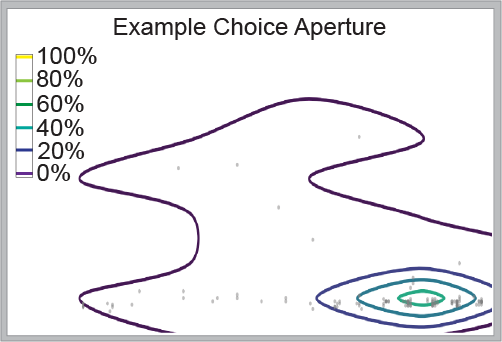
https://doi.org/10.1101/2024.10.23.619903   Abstract The explore/exploit tradeoff is a fundamental property of choice selection during reward-guided decision making. In perceptual decision making, higher certainty decisions are more motorically precise, even when the decision does not require motor accuracy. However, while we can parametrically control uncertainty in perceptual tasks, we...

Abstract Executive functions including working memory (WM) and attention are altered following Cannabis exposure in humans. To test for similar effects in a rodent model, we exposed adult male rats to acute Cannabis smoke before testing them on touchscreen-based tasks that assess these executive processes. The...

X